

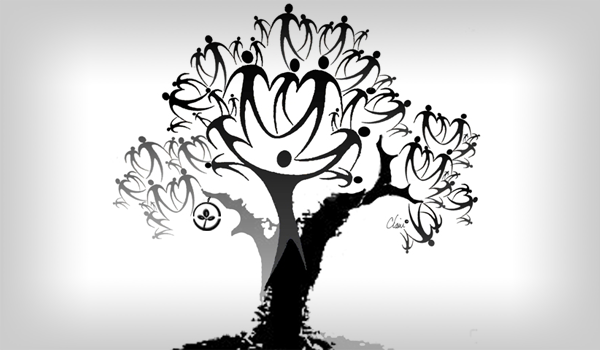
The Network of Women's Non-Governmental Organizations of the Islamic Republic of Iran, as the only comprehensive and legal institution of active associations in the field of women and family, with the support of 28 years of continuous activity, is the pioneer of improving the status of women, strengthening the foundation of the family and social development. By creating a platform for the synergy of more than 480 non-governmental organizations across the country, this network directs civil capacities towards solving major national issues and plays a role as a specialized bridge between civil society and decision-making institutions at the national level and international forums.
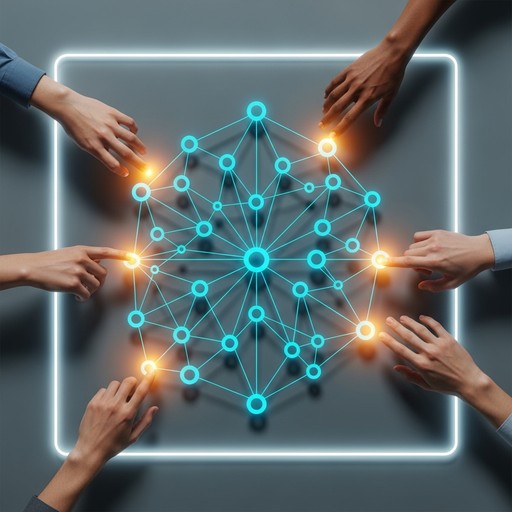
Civil Diplomacy and International Authority (Has Consultative Status with ECOSOC)
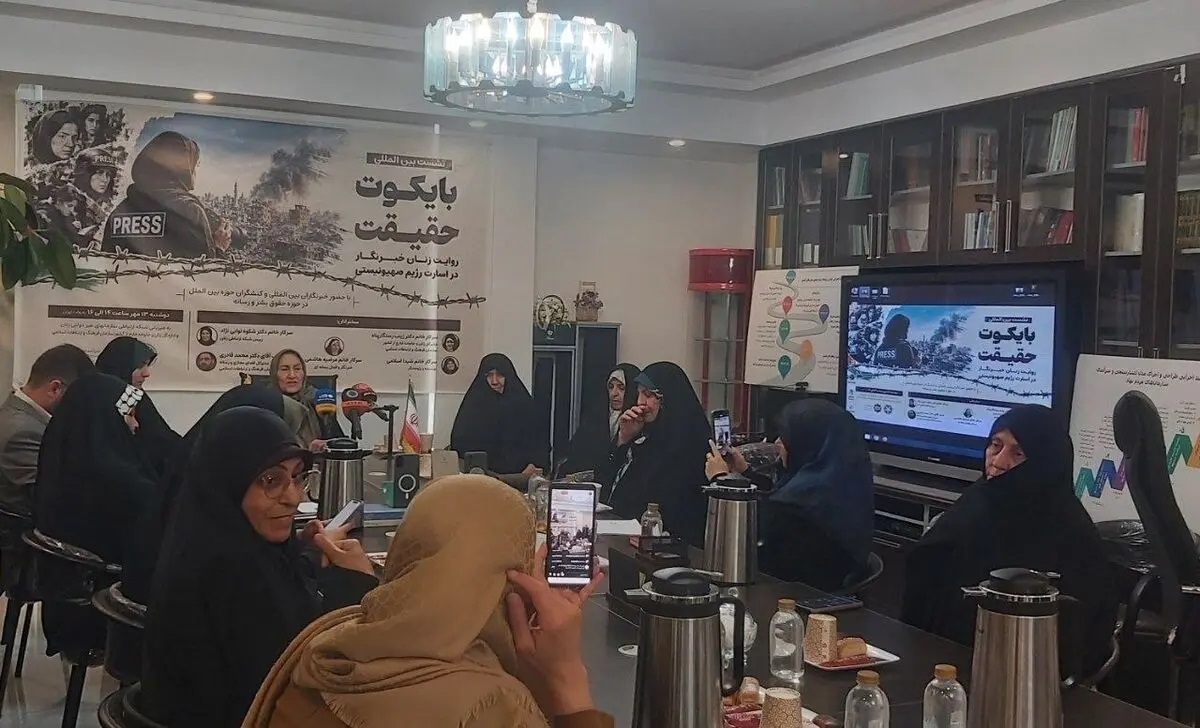
Having consultative status with the United Nations Economic and Social Council (ECOSOC), the network of women's NGOs in the Islamic Republic of Iran has made it a credible voice and representative of the views of Iranian civil society in international forums. We use this strategic position to influence global decision-making processes and explain national achievements. Our most important capacities in this area include: Presence in specialized forums: Active representation in the Commission on the Status of Women (New York) and the Human Rights Council (Geneva) to explain the realities and achievements of civil society in the Islamic Republic of Iran to international forums. Presentation of official statements: Drafting and presenting written and oral statements to the United Nations and other international forums with the aim of clarifying achievements and proposing specialized views. Participation in the UPR process: Preparing and presenting stakeholder reports (Shadow Reports) to the Human Rights Council, with the aim of providing an accurate picture of the progress and challenges in the field of women in Iran for international forums. Treaty meetings: Active participation in monitoring processes *International forums to defend national interests and explain indigenous patterns of social growth and development.

Strategic pillars and distinctive advantages
Knowledge-based and research-oriented: We have based civil activism on research and specialized training. By producing scientific content and holding empowerment courses, we strive to equip social activists with the tools to accurately analyze current issues in *national and international forums. Participatory governance: Our network is the main interface between the public sector and government agencies. Through strategic cooperation with the three branches of government, we strive to ensure that the demands and expert findings of civil society are effectively taken into account in the country's macro-policymaking process as well as in prestigious meetings of *international forums.

Key areas of activity:
Understanding the importance of the family institution as the most fundamental unit of society, we have focused our activities on the following areas: Strengthening the foundation of the family: Designing and implementing educational and support programs aimed at improving the mental, social, and economic health of all family members and protecting its identity. Promoting the status of women: Empowering women to play an effective role in various decision-making, executive, and social arenas at the national level and in international forums. Social development and progress: Activism in environmental projects, public health, reducing social harm, and developing welfare infrastructure. Employment and entrepreneurship: Strengthening the economic sustainability of families through skills training and supporting small and home businesses.

Our Vision:
We are determined to offer the world an effective model of participatory governance, drawing on our 30 years of experience, the expertise of the National Network of Foundations, and our legal status in the United Nations and other international forums.* Our ultimate goal is to build a society in which the family plays a role as the axis of progress, and women as the drivers of development, in a context of justice and scientific dynamism.